What are the first signs to look for?
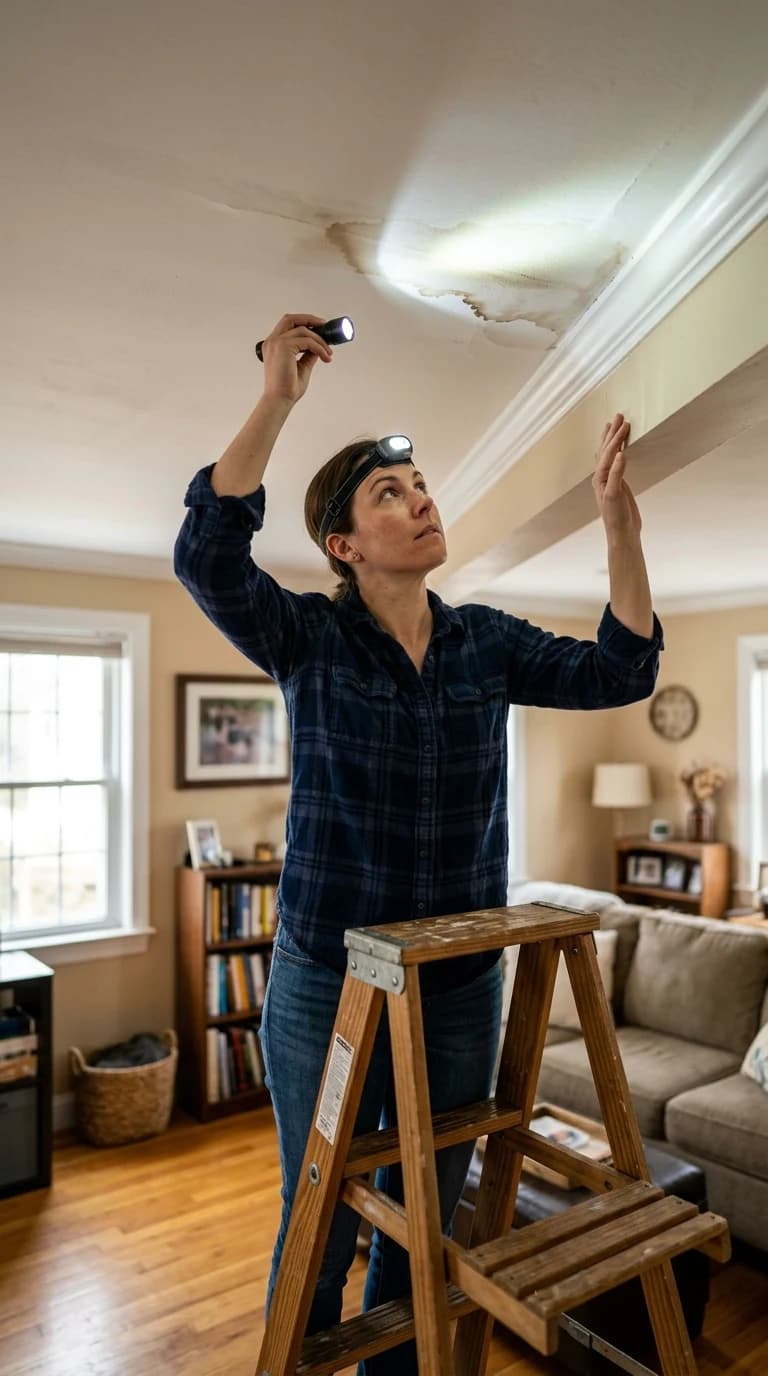
Early detection of water damage can save homeowners from significant repairs. Look for visible signs such as water stains on ceilings or walls, which may appear as yellowish-brown discolorations. These stains often indicate that water is pooling somewhere above, possibly from a leaky roof or plumbing issue. Bubbling or peeling paint is another common sign, as moisture can cause paint to lose adhesion. Warped flooring, such as wood that appears to be buckling or laminate that feels spongy, often indicates prolonged exposure to moisture.
Regular inspections, especially after heavy rains or storms common in Hackensack, can be crucial. Pay special attention to areas like basements and attics, where water damage often goes unnoticed. Check for any sagging in ceilings or walls, as this might suggest that water is accumulating behind them. In bathrooms and kitchens, inspect under sinks and around appliances for any signs of leaks or water pooling. Early detection not only helps in mitigating damage but also prevents the growth of mold, which can pose health risks.
Regular inspections, especially after heavy rains or storms common in Hackensack, can be crucial. Pay special attention to areas like basements and attics, where water damage often goes unnoticed. Check for any sagging in ceilings or walls, as this might suggest that water is accumulating behind them. In bathrooms and kitchens, inspect under sinks and around appliances for any signs of leaks or water pooling. Early detection not only helps in mitigating damage but also prevents the growth of mold, which can pose health risks.
How can you use your senses to detect water damage?
Beyond visual signs, your senses can be powerful tools in detecting water damage. Musty odors are common indicators of mold or mildew growth, which thrive in damp environments. This smell is often strongest in enclosed areas like basements or behind walls where water leaks are prevalent.
Listening for unusual sounds can also be revealing. Dripping or trickling sounds might indicate a hidden leak in your plumbing, even if you cannot see any water. At night, when the house is quiet, these sounds can be more noticeable and should not be ignored.
Touch can also help identify potential water damage. Tap on walls or floors to detect areas that sound hollow or feel soft. These areas might have water trapped behind them, weakening the structural integrity of the material. If you suspect water damage, gently press on surfaces; a spongy or soft feeling can confirm the presence of moisture. For more detailed guidance or if you're unsure, our contact page offers professional advice and inspections to ensure your home remains safe and well-maintained.
Listening for unusual sounds can also be revealing. Dripping or trickling sounds might indicate a hidden leak in your plumbing, even if you cannot see any water. At night, when the house is quiet, these sounds can be more noticeable and should not be ignored.
Touch can also help identify potential water damage. Tap on walls or floors to detect areas that sound hollow or feel soft. These areas might have water trapped behind them, weakening the structural integrity of the material. If you suspect water damage, gently press on surfaces; a spongy or soft feeling can confirm the presence of moisture. For more detailed guidance or if you're unsure, our contact page offers professional advice and inspections to ensure your home remains safe and well-maintained.
What tools can help in detecting water damage?
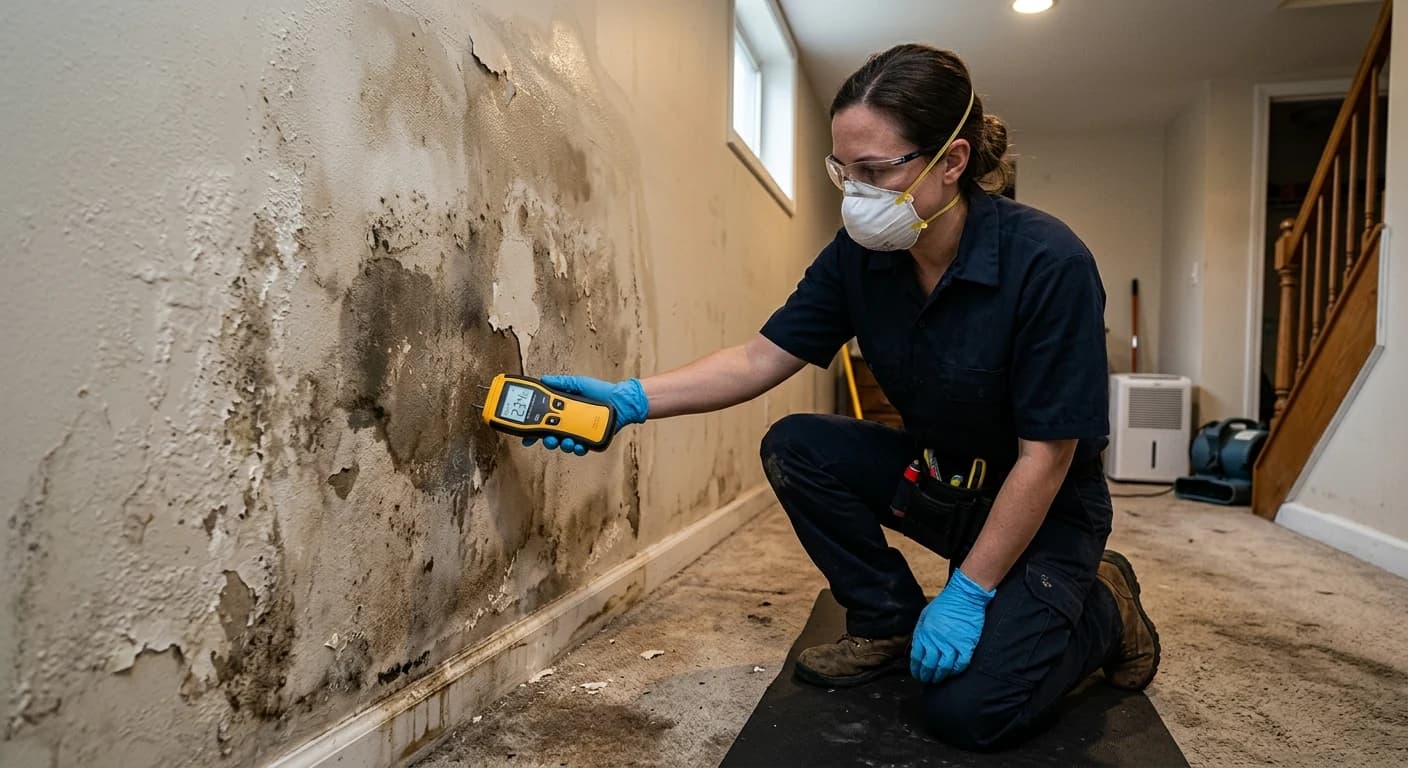
In addition to using your senses, specialized tools can greatly enhance your ability to detect water damage. Moisture meters are invaluable for measuring the moisture content in materials like wood and drywall. These devices can help pinpoint the exact location of moisture accumulation, allowing for targeted remediation before the damage becomes extensive.
Infrared cameras are another advanced tool used by professionals. These cameras detect temperature variations in building materials, which can indicate moisture presence. Cold spots on an infrared image often suggest water intrusion, as evaporation causes cooling. This non-invasive method allows homeowners to see behind walls and ceilings without causing any damage.
Additionally, hygrometers can measure the humidity levels in your home. High indoor humidity can lead to condensation, which may cause water damage over time. By monitoring and maintaining optimal humidity levels, you can prevent conditions conducive to water damage and mold growth.
For those wanting to take a proactive approach, investing in leak detectors and smart water sensors can be beneficial. These devices alert you to leaks in real-time, allowing for quick action to prevent further damage. By combining these tools with regular inspections, homeowners can effectively manage and mitigate the risk of water damage, ensuring their property remains safe and structurally sound.
Infrared cameras are another advanced tool used by professionals. These cameras detect temperature variations in building materials, which can indicate moisture presence. Cold spots on an infrared image often suggest water intrusion, as evaporation causes cooling. This non-invasive method allows homeowners to see behind walls and ceilings without causing any damage.
Additionally, hygrometers can measure the humidity levels in your home. High indoor humidity can lead to condensation, which may cause water damage over time. By monitoring and maintaining optimal humidity levels, you can prevent conditions conducive to water damage and mold growth.
For those wanting to take a proactive approach, investing in leak detectors and smart water sensors can be beneficial. These devices alert you to leaks in real-time, allowing for quick action to prevent further damage. By combining these tools with regular inspections, homeowners can effectively manage and mitigate the risk of water damage, ensuring their property remains safe and structurally sound.
Why Regular Maintenance Is Key
Regular maintenance is crucial in preventing water damage and ensuring the longevity of your home. Start by inspecting your roof at least twice a year, especially after storms. Look for missing or damaged shingles that could allow water to seep through. Clean gutters and downspouts regularly to prevent blockages that can lead to water overflow and damage to your home's foundation. Ensure that water is directed away from the house to avoid pooling near the foundation, which can cause structural issues over time.
Inside the home, routinely check and maintain plumbing systems. Inspect pipes for any signs of corrosion or leaks, and replace worn-out hoses and fittings, particularly in areas prone to water use like kitchens and bathrooms. Water heaters should also be inspected annually to prevent leaks that can cause significant damage. Consider installing a water softener if your area has hard water, as mineral buildup can lead to pipe blockages and leaks.
Don't forget about your HVAC system. Condensation from air conditioning units can contribute to water damage if not properly drained. Ensure that drain lines are clear and functioning correctly. By staying proactive with maintenance, you can significantly reduce the risk of unexpected water damage and extend the life of your home's infrastructure.
Inside the home, routinely check and maintain plumbing systems. Inspect pipes for any signs of corrosion or leaks, and replace worn-out hoses and fittings, particularly in areas prone to water use like kitchens and bathrooms. Water heaters should also be inspected annually to prevent leaks that can cause significant damage. Consider installing a water softener if your area has hard water, as mineral buildup can lead to pipe blockages and leaks.
Don't forget about your HVAC system. Condensation from air conditioning units can contribute to water damage if not properly drained. Ensure that drain lines are clear and functioning correctly. By staying proactive with maintenance, you can significantly reduce the risk of unexpected water damage and extend the life of your home's infrastructure.
The Importance of Professional Inspections
While DIY inspections are valuable, professional inspections offer a more comprehensive assessment of potential water damage risks. Professionals have the expertise and tools to detect subtle signs of water intrusion that homeowners might overlook. Scheduling annual inspections can identify issues early, allowing for timely repairs that prevent costly damage.
A professional inspector will evaluate areas that are often neglected, such as crawl spaces and behind major appliances. They can also assess the condition of your home's foundation, which is critical in preventing water seepage. In addition to checking visible areas, professionals use advanced tools like thermal imaging to detect hidden moisture and leaks within walls and ceilings.
In regions like NJ, where seasonal changes can exacerbate water issues, professional inspections are even more critical. These experts can provide tailored advice based on local weather patterns and common regional issues. They can also recommend upgrades or repairs, such as improved insulation or drainage systems, to enhance your home's resilience against water damage.
Investing in professional inspections not only helps in maintaining your property's value but also provides peace of mind. Knowing that your home is thoroughly checked and protected against water damage allows you to focus on other aspects of homeownership without worry.
A professional inspector will evaluate areas that are often neglected, such as crawl spaces and behind major appliances. They can also assess the condition of your home's foundation, which is critical in preventing water seepage. In addition to checking visible areas, professionals use advanced tools like thermal imaging to detect hidden moisture and leaks within walls and ceilings.
In regions like NJ, where seasonal changes can exacerbate water issues, professional inspections are even more critical. These experts can provide tailored advice based on local weather patterns and common regional issues. They can also recommend upgrades or repairs, such as improved insulation or drainage systems, to enhance your home's resilience against water damage.
Investing in professional inspections not only helps in maintaining your property's value but also provides peace of mind. Knowing that your home is thoroughly checked and protected against water damage allows you to focus on other aspects of homeownership without worry.
How to Address Water Damage Once Detected
Upon detecting signs of water damage, taking immediate action is crucial to prevent further deterioration. Start by identifying the source of the water intrusion. This could be a leaking pipe, a roof leak, or poor drainage around the foundation. Once identified, stop the source of water to prevent additional damage. For instance, if a pipe is leaking, turn off the main water supply and call a plumber to repair the issue.
Next, remove any standing water as quickly as possible. Use a wet/dry vacuum, mop, or towels to absorb the water. For larger areas, renting a commercial-grade water extractor might be necessary. After the water is removed, thoroughly dry the affected areas using fans, dehumidifiers, and heaters to prevent mold growth. Ensure good ventilation by opening windows and doors if weather permits.
Discard any items that are beyond repair, such as soaked carpets, drywall, or insulation. These materials can harbor mold and compromise the structural integrity of your home. For valuable items, consider professional restoration services. Finally, document the damage for insurance purposes, taking photos and notes of affected areas and items. This documentation will be helpful when filing a claim with your insurance company, ensuring you receive the compensation needed for repairs.
Next, remove any standing water as quickly as possible. Use a wet/dry vacuum, mop, or towels to absorb the water. For larger areas, renting a commercial-grade water extractor might be necessary. After the water is removed, thoroughly dry the affected areas using fans, dehumidifiers, and heaters to prevent mold growth. Ensure good ventilation by opening windows and doors if weather permits.
Discard any items that are beyond repair, such as soaked carpets, drywall, or insulation. These materials can harbor mold and compromise the structural integrity of your home. For valuable items, consider professional restoration services. Finally, document the damage for insurance purposes, taking photos and notes of affected areas and items. This documentation will be helpful when filing a claim with your insurance company, ensuring you receive the compensation needed for repairs.
Preventive Measures to Safeguard Your Home
Taking preventive measures can significantly reduce the risk of water damage in your home. Start by ensuring that your home’s exterior is well-maintained. Inspect and repair any cracks or gaps in the foundation, walls, and around windows and doors. These can be entry points for water during heavy rains. Regularly check and maintain your roof, replacing damaged or missing shingles promptly.
Install a sump pump in basements prone to flooding. This device automatically pumps out water that accumulates in a sump basin, preventing basement flooding. Make sure the pump is in good working condition and consider a battery backup system to ensure functionality during power outages.
Inside your home, install water leak detectors and automatic shut-off systems. These devices can alert you to leaks and automatically turn off the water supply, minimizing damage. Regularly inspect and maintain appliances that use water, such as washing machines, dishwashers, and refrigerators, checking hoses and connections for wear and tear.
Landscaping also plays a role in water damage prevention. Ensure that the ground slopes away from your home to direct water away from the foundation. Consider using native plants and trees that require less water and can help absorb excess moisture. By implementing these preventive measures, you can protect your home from potential water damage and maintain its structural integrity.
Install a sump pump in basements prone to flooding. This device automatically pumps out water that accumulates in a sump basin, preventing basement flooding. Make sure the pump is in good working condition and consider a battery backup system to ensure functionality during power outages.
Inside your home, install water leak detectors and automatic shut-off systems. These devices can alert you to leaks and automatically turn off the water supply, minimizing damage. Regularly inspect and maintain appliances that use water, such as washing machines, dishwashers, and refrigerators, checking hoses and connections for wear and tear.
Landscaping also plays a role in water damage prevention. Ensure that the ground slopes away from your home to direct water away from the foundation. Consider using native plants and trees that require less water and can help absorb excess moisture. By implementing these preventive measures, you can protect your home from potential water damage and maintain its structural integrity.