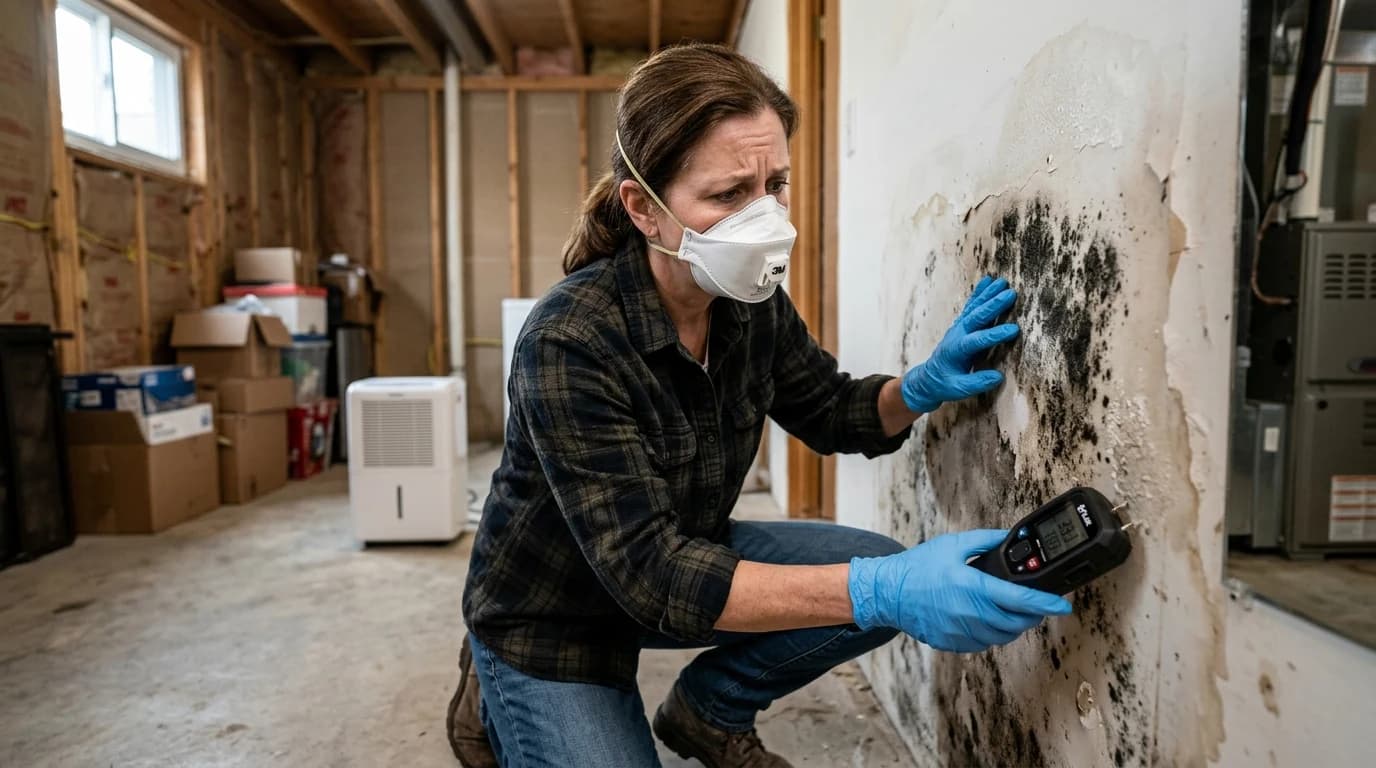
Why is water damage a health concern?
Water damage in homes can lead to the growth of mold and mildew, which are known to cause a variety of health issues. Mold spores can spread through the air and be inhaled, leading to respiratory problems, allergic reactions, and even asthma attacks. In Hackensack, where humidity can contribute to faster mold growth, it's crucial to address any signs of water damage early. The damp environment provides an ideal breeding ground for mold, which can become a persistent problem if not treated. Mold can begin to grow within 24 to 48 hours after water exposure, making prompt action essential. If you suspect mold, consider reaching out to a professional for a thorough inspection. Beyond mold, water damage can also lead to structural problems in your home, which can indirectly affect health by creating unsafe living conditions. Damaged walls, ceilings, and floors can harbor pests such as rodents and insects, which can carry diseases. Additionally, standing water can lead to the proliferation of bacteria and other microorganisms that may pose health risks.
What are the symptoms of mold exposure?
Exposure to mold can cause symptoms such as sneezing, coughing, skin rashes, and itchy eyes. In more severe cases, it can lead to difficulty breathing and other serious health issues. Mold exposure can exacerbate asthma symptoms and trigger asthma attacks. Children, elderly individuals, and those with compromised immune systems are at higher risk. It's important to monitor these symptoms if you've recently experienced water damage. In addition to respiratory issues, mold exposure can also lead to fatigue and headaches. Some people might experience cognitive effects such as difficulty concentrating or memory problems. It's crucial to note that symptoms can vary widely depending on the type of mold and the level of exposure. For more help, visit our services page to learn about professional mold remediation. Early intervention can prevent long-term health issues and restore your home to a safe environment.

How can you prevent health risks related to water damage?
Preventing health risks begins with early detection and prompt water damage restoration. Regularly inspect your home for leaks and fix them immediately. Check areas around windows, doors, and plumbing fixtures for any signs of water intrusion. Use dehumidifiers to control indoor moisture levels, especially in humid climates like Hackensack. Proper ventilation is essential in areas prone to dampness, like basements and bathrooms. Ensure that exhaust fans are functioning correctly and consider installing additional ventilation if needed. It's also important to clean and dry any damp or wet materials and furnishings within 24 to 48 hours to prevent mold growth. Consider professional water damage restoration services to ensure comprehensive treatment and peace of mind. Professionals can identify hidden moisture and use specialized equipment to remove it effectively. Additionally, they can apply antimicrobial treatments to prevent mold growth. Regular maintenance of your home's plumbing and roofing can also help prevent leaks that lead to water damage. Educating your family about the signs of water damage and mold growth can empower everyone to act quickly if problems arise.
Understanding the Long-term Effects of Water Damage
Long-term water damage can have persistent effects on both your home and health if not properly addressed. Over time, structural components like beams, drywall, and flooring can weaken, leading to potential safety hazards such as collapses or falls. This structural degradation can also create openings for pests, which may carry diseases or cause further damage. From a health perspective, chronic exposure to damp environments can lead to respiratory conditions becoming more severe, especially in individuals with pre-existing conditions like asthma or COPD. Mold and mildew, if left unchecked, can release mycotoxins, which are harmful to human health. These toxins can lead to neurological symptoms, such as headaches and mood changes, and can exacerbate allergies. To mitigate these long-term effects, it is essential to conduct regular home inspections and maintain a robust water damage prevention plan. Investing in quality materials and professional repair services can ensure that any water damage is dealt with efficiently and effectively, reducing the risk of future problems.
Choosing the Right Water Damage Restoration Service
Selecting a reliable water damage restoration service is crucial for ensuring your home is returned to a safe and healthy state. Look for companies with certified technicians who have experience in dealing with various types of water damage. It's important to verify that the service provider uses advanced equipment and techniques to detect and address all areas affected by moisture. This includes thermal imaging cameras and moisture meters for precise detection. Additionally, inquire about their mold remediation process to ensure they follow industry standards for safety and effectiveness. A good restoration service should also offer a comprehensive plan that includes drying, cleaning, and sanitizing affected areas to prevent future mold growth. Customer reviews and testimonials can provide insights into the company's reliability and quality of work. In NJ, you may find local experts who understand the specific climate challenges and can offer tailored solutions. Remember, prompt action and professional help can significantly reduce the risks associated with water damage and protect your family's health.
Implementing Effective Water Damage Monitoring
Monitoring your home for signs of water damage is a proactive approach to safeguarding your health and property. Begin by installing water leak detectors in areas prone to leaks, such as basements, bathrooms, and kitchens. These devices can alert you to leaks early, allowing you to address them before they cause significant damage. Regularly inspecting your home for signs of moisture, such as water stains on ceilings, walls, or floors, is also crucial. Pay special attention to areas around windows and doors, as these are common entry points for water. It's advisable to keep an eye on your water bill for any unexpected increases, which might indicate a hidden leak. Additionally, inspect your roof and gutters to ensure they are in good condition and directing water away from your home. If you live in an area with frequent storms, such as parts of NJ, consider reinforcing your home's exterior with weather-resistant materials. Educating household members about the importance of monitoring and reporting any signs of water damage can help ensure issues are addressed promptly. By maintaining vigilance and using technology, you can significantly reduce the risk of health issues associated with water damage.
The Role of Air Quality in Water Damage Recovery
Air quality plays a significant role in the recovery process following water damage. Poor air circulation can exacerbate the growth of mold and mildew, leading to health problems. To improve air quality, ensure that your home's ventilation system is functioning correctly. Regularly replace air filters in your HVAC system to prevent the spread of mold spores. Consider using air purifiers with HEPA filters to capture airborne particles and improve indoor air quality. During the restoration process, keep windows open when possible to allow fresh air to circulate and help dry out damp areas. Using fans and dehumidifiers can further assist in reducing moisture levels in the air. It’s also beneficial to use non-toxic cleaning products to avoid introducing harmful chemicals into your home environment during cleanup. If you notice persistent odors or symptoms of poor air quality, such as headaches or respiratory issues, consult a professional to assess and address the issue. Maintaining good air quality not only aids in the recovery from water damage but also supports overall health and well-being. By prioritizing air quality, you can create a safer living environment and prevent long-term health risks associated with water damage.