What types of water damage are typically covered by insurance?
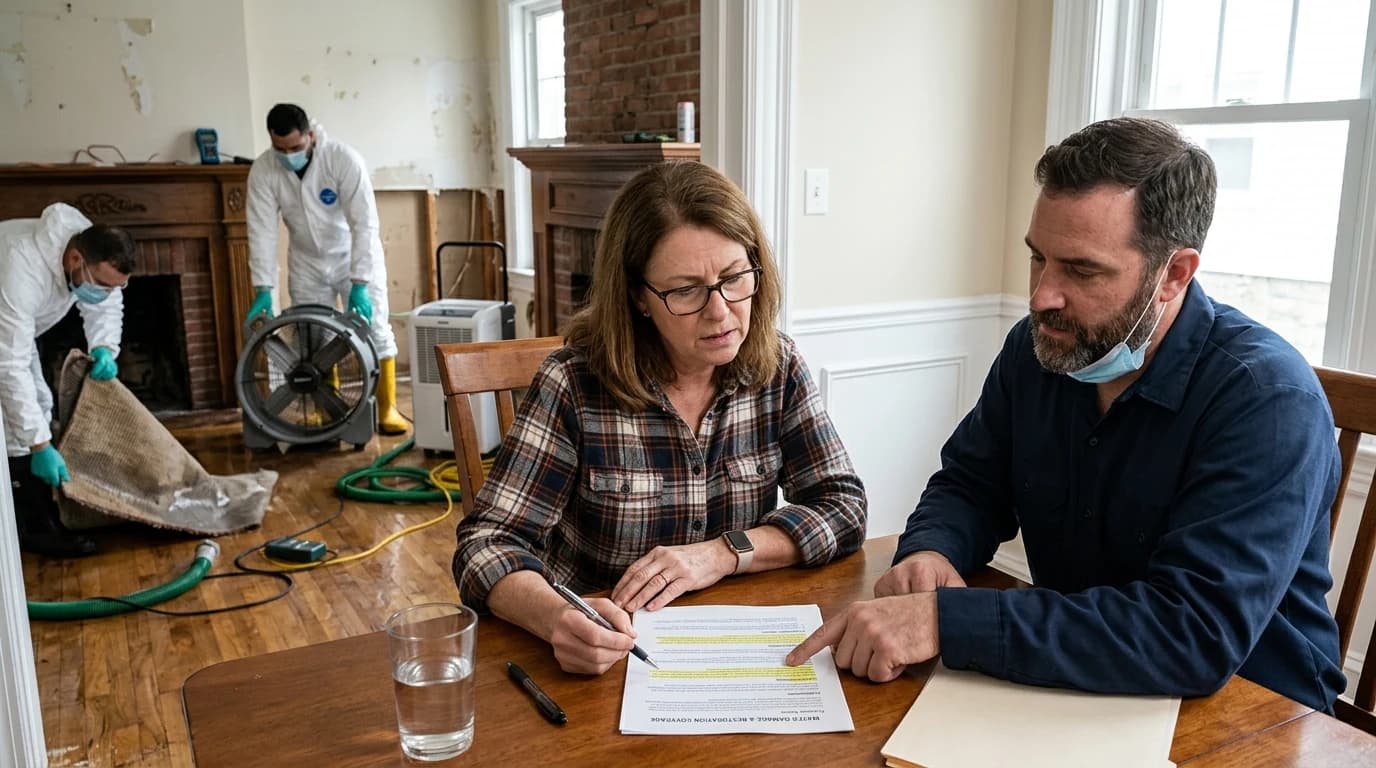
Home insurance policies often cover sudden and accidental water damage, such as burst pipes or overflow from appliances. For example, if a pipe bursts in your basement, leading to flooding, or if your washing machine hose suddenly breaks, causing water to spill onto the floor, these are typically covered scenarios. However, gradual damage due to neglect or wear and tear is usually not covered. For instance, if you have a slow leak in your roof that you haven't addressed, leading to water damage over time, this may not be covered. It's essential to review your policy details or consult with your insurance provider to understand your specific coverage. In Hackensack, maintaining your home by regularly inspecting plumbing systems and roof conditions can prevent uncovered damage. Additionally, understanding terms like 'water backup' and 'flood coverage' can clarify what your policy includes, as these often require additional endorsements.
How can you ensure a successful insurance claim?
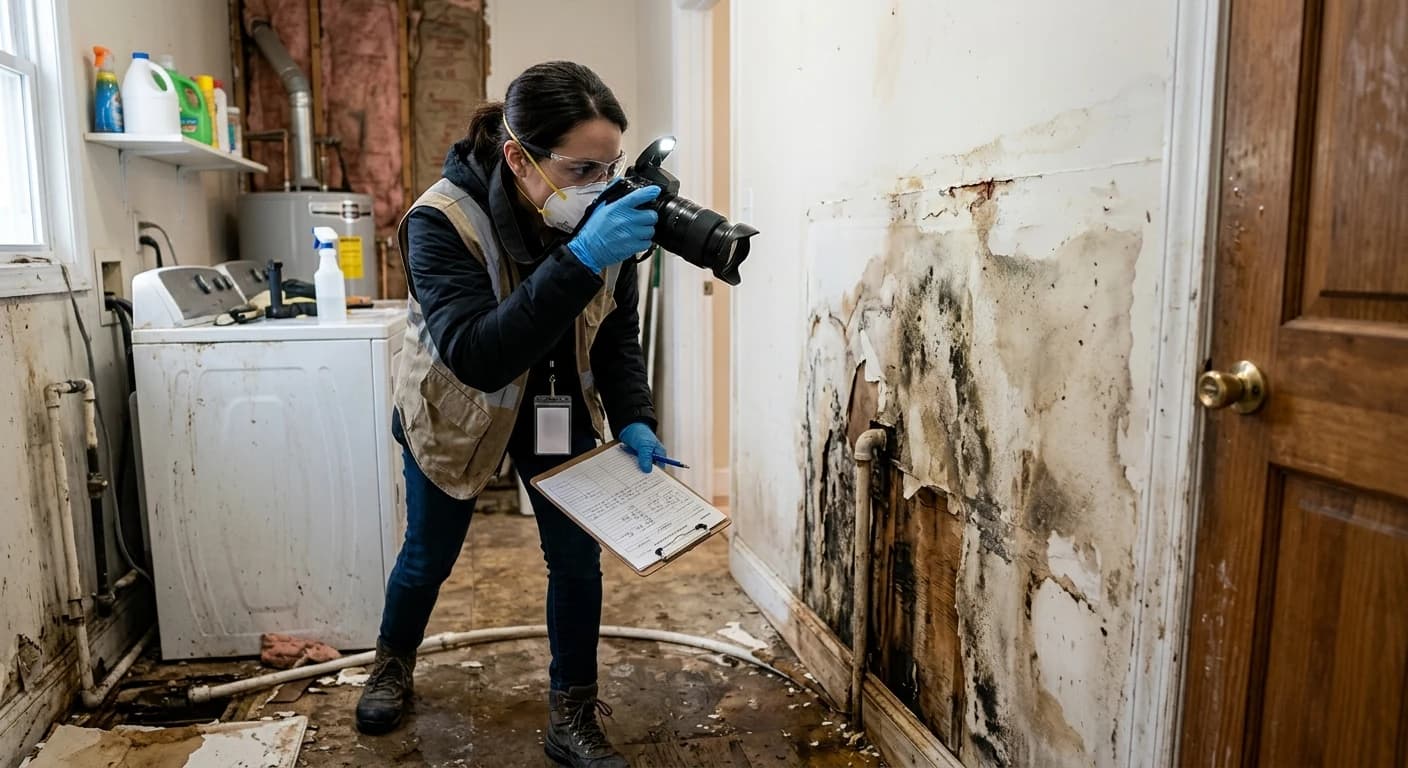
Documenting the damage thoroughly is key to a successful insurance claim. Start by taking clear photos and videos of the affected areas from multiple angles, capturing both the extent of the damage and the source, if visible. List all damaged items, noting their estimated value and any relevant receipts or proofs of purchase you might have. This helps establish the pre-damage condition and value of your belongings. Promptly report the damage to your insurance company, ideally within 24-48 hours, to ensure compliance with policy requirements. Keep detailed records of all communication with your insurer, including dates, times, and the names of representatives you speak with. Additionally, refrain from disposing of any damaged items until the adjuster has assessed them. For more guidance on the claims process, our services page provides additional resources and support. Engaging a professional water damage restoration company early can also streamline the process, as they can provide detailed reports and estimates directly to your insurer.
What steps should you take if your damage isn't covered?
If your insurance doesn't cover the damage, consider exploring other financial options, such as home improvement loans or personal loans tailored for emergency repairs. These can provide the necessary funds quickly, allowing you to address urgent repairs without delay. Regular maintenance and inspections can help prevent future incidents and minimize costs. Schedule routine checks of your plumbing, roof, and exterior drainage systems to catch potential issues early. Additionally, some restoration companies offer payment plans or financing options, which can ease the financial burden of repairs. It's also worth exploring local or state assistance programs that might offer financial aid for home repairs, especially if you're in a disaster-prone area. Building an emergency fund specifically for home repairs can also provide a buffer for unexpected expenses. By preparing in advance, you can mitigate the impact of uncovered damages.
Understanding the Role of Flood Insurance
Flood damage is often excluded from standard homeowners insurance policies, which means you need a separate flood insurance policy to cover such events. This is crucial for homeowners in flood-prone areas. The National Flood Insurance Program (NFIP) is a government initiative that provides flood insurance to property owners, renters, and businesses. It's important to assess your risk by checking flood maps and considering historical data of your area. If you're in a high-risk zone, obtaining flood insurance can be a wise investment. When purchasing a flood policy, understand the coverage limits and what is included, such as the building and its contents. Keep in mind that there is typically a 30-day waiting period before the policy takes effect, so plan accordingly. For those living in regions like NJ, where weather can be unpredictable, having flood insurance can provide peace of mind and financial protection. Additionally, some private insurers offer flood insurance with different terms and conditions, so it's beneficial to compare options to find the best fit for your needs.
Preventative Measures to Avoid Water Damage
Taking proactive steps to prevent water damage can save you time and money in the long run. Start by inspecting and maintaining your home's plumbing system regularly. Look for signs of leaks, corrosion, or wear and tear in pipes and hoses. Installing water leak detectors near appliances and in basements can alert you to leaks early, allowing for quick action. Ensure that your home's gutters and downspouts are clean and directing water away from the foundation to prevent seepage. Additionally, consider installing a sump pump in areas prone to flooding, such as basements, to keep water at bay. Regular roof inspections can also help identify missing or damaged shingles that could lead to leaks. For those in Hackensack, where seasonal weather changes are common, these preventative measures are particularly important. Investing in quality materials and professional inspections can reduce the risk of water damage and help maintain the integrity of your home. By staying vigilant and addressing potential issues promptly, you can protect your property from costly repairs.
Navigating Water Damage Restoration Costs
Understanding the costs associated with water damage restoration can help you better prepare financially and make informed decisions. The cost of restoration can vary significantly depending on the extent of the damage, the type of water involved (clean, grey, or black), and the area affected. For instance, a small leak in a bathroom might only require minor repairs, whereas extensive flooding in a basement could lead to significant expenses for water extraction, drying, and mold remediation. To get an accurate estimate, it's advisable to contact a professional restoration company for an assessment. They can provide a detailed breakdown of the necessary steps and associated costs. Additionally, some companies offer free inspections, which can be helpful if you're unsure about the extent of the damage. When budgeting for restoration, consider the possibility of additional costs such as temporary accommodation if your home becomes uninhabitable. It's also wise to keep a record of all expenses related to the damage and restoration process, as these may be required for insurance claims or tax purposes. By understanding potential costs upfront, you can better plan your finances and explore payment options, such as financing plans offered by restoration companies.
Choosing the Right Water Damage Restoration Company
Selecting a reputable water damage restoration company is crucial to ensure quality repairs and a smooth restoration process. Start by researching local companies and reading reviews from past clients to gauge their reputation and reliability. Look for companies with certifications from recognized industry organizations, such as the Institute of Inspection, Cleaning and Restoration Certification (IICRC), which ensures adherence to industry standards. It's also beneficial to choose a company with experience handling insurance claims, as they can assist in documenting the damage and communicating with your insurer. When contacting potential companies, inquire about their response time, as quick action is vital in minimizing further damage. A company that offers 24/7 emergency services can be particularly advantageous. Additionally, ask for a detailed estimate that outlines the scope of work and associated costs, ensuring transparency and helping you avoid unexpected expenses. Finally, ensure the company is licensed and insured, providing peace of mind that they are qualified to handle your restoration needs. By taking these steps, you can select a company that will efficiently restore your home while offering professional support throughout the process.